📖🧩 Reading But Missing the Meaning? A Hidden Patterns Quiz
Clean progress. One question at a time. Zero fluff, all signal.
You’re not reading wrong — you might just be missing what most readers never notice.
This quick quiz reveals how deeply you actually read.
Recommended Book
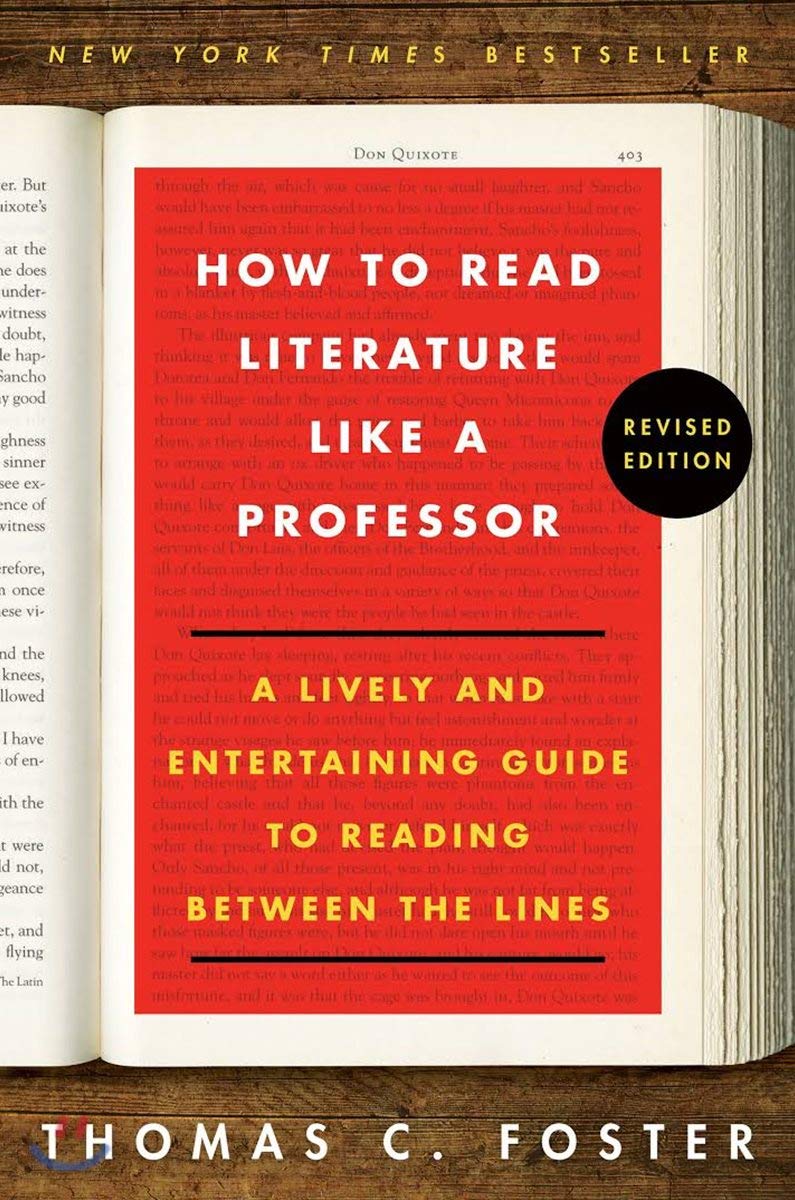
📖 Learn the Pattern Most Readers Miss
How to Read Literature Like a Professor
You’re not reading wrong — you’re just missing the patterns. This book shows you how to spot symbols, themes, and hidden meaning instantly.
- Decode what stories really mean
- Recognize symbols and recurring patterns
- Understand deeper meaning without overthinking
This page may contain affiliate links. If you click and buy, we may earn a small commission at no extra cost to you.
Quick Notes & Facts
- Journeys in literature often mirror inner change, not just physical movement.
- Weather frequently signals emotional tone, danger, cleansing, or renewal.
- Recurring objects are often symbols, not decoration.
- Meals in stories can signal trust, betrayal, class, power, or fellowship.
- Repeated struggles often reinforce a central theme.
- Titles often frame the meaning of the whole work before page one.
- Illness and injury in fiction can represent spiritual, emotional, or moral conflict.
- Intertextual references connect one story to another on purpose.
- Biblical literature relies heavily on repeated symbols, echoes, and layered meaning.
- Strong readers do not only ask what happened — they ask what it means.
- Hidden patterns help explain why certain stories stay powerful for generations.
- Motifs differ from symbols: motifs repeat, symbols point beyond themselves.
- Color, season, landscape, and light often carry thematic meaning.
- Some of the deepest reading happens after the final page, during reflection.
- “Obvious” details in fiction are often planted to guide deeper interpretation.
- Ancient storytellers used repetition to help listeners recognize meaning.
- Health-related imagery in literature often parallels inner disorder or recovery.
- Writers use patterns to unify plot, character, imagery, and theme.
- Many classic novels reward rereading because hidden structure becomes clearer later.
- The difference between surface reading and deep reading is often pattern awareness.
Famous Quote
“Some books are to be tasted, others to be swallowed, and some few to be chewed and digested.”
— Francis Bacon
Disclaimer
- This quiz is for educational and entertainment purposes.
- Results reflect reading habits and pattern awareness, not intelligence or worth.
- Interpretation can vary across texts, traditions, and reading contexts.