
Most people try to build wealth the hard way.
They chase quick wins. They guess. They copy what looks successful online. They work harder, save a little, spend a little, and hope something finally changes.
But wealth usually does not begin with more effort.
It begins with better thinking.
That is why I put together this list of 11 money books that quietly changed how I think about wealth, business, investing, financial freedom, and opportunity. These are not just books about money. They are books about discipline, systems, ownership, leverage, risk, and learning how financially successful people see the world differently.
Some books help you simplify investing.
Some help you automate better money habits.
Some challenge the way you think about income, business, banking, trading, and opportunity.
And some simply make you stop and ask the kind of question that can change everything:
What if I have been trying to build wealth the hard way because no one ever showed me a better way to think about it?
I put all 11 books together in one Amazon Idea List so you can browse them in one place when you are ready.
1. The Simple Path to Wealth by J.L. Collins

Some money books make wealth feel more complicated than it needs to be.
They introduce charts, jargon, formulas, predictions, and strategies that can leave the average reader feeling like they showed up late to a conversation everyone else already understands.
The Simple Path to Wealth does the opposite.
This book stands out because it makes the idea of building wealth feel calmer, clearer, and more possible. Instead of making investing feel like a secret language reserved for Wall Street professionals, J.L. Collins explains wealth-building in a way that feels direct and approachable.
That matters because many people never begin investing simply because they feel intimidated. They think they need to know everything first. They think they need to time the market perfectly. They think they need a financial advisor, a large income, or some complicated strategy before they can start moving in the right direction.
But sometimes the real advantage is simplicity.
This is why I like this book as the first pick on the list. It gives readers a starting point. It helps remove the fear that investing is only for experts. It shows that building wealth can begin with understanding a few core ideas and staying consistent over time.
I recommend this book because it makes building wealth feel simple enough to actually start instead of something only financial experts understand.
If you have ever wanted a clearer path toward financial independence without feeling buried under complicated financial talk, this is one of the first books I would look at on the list.
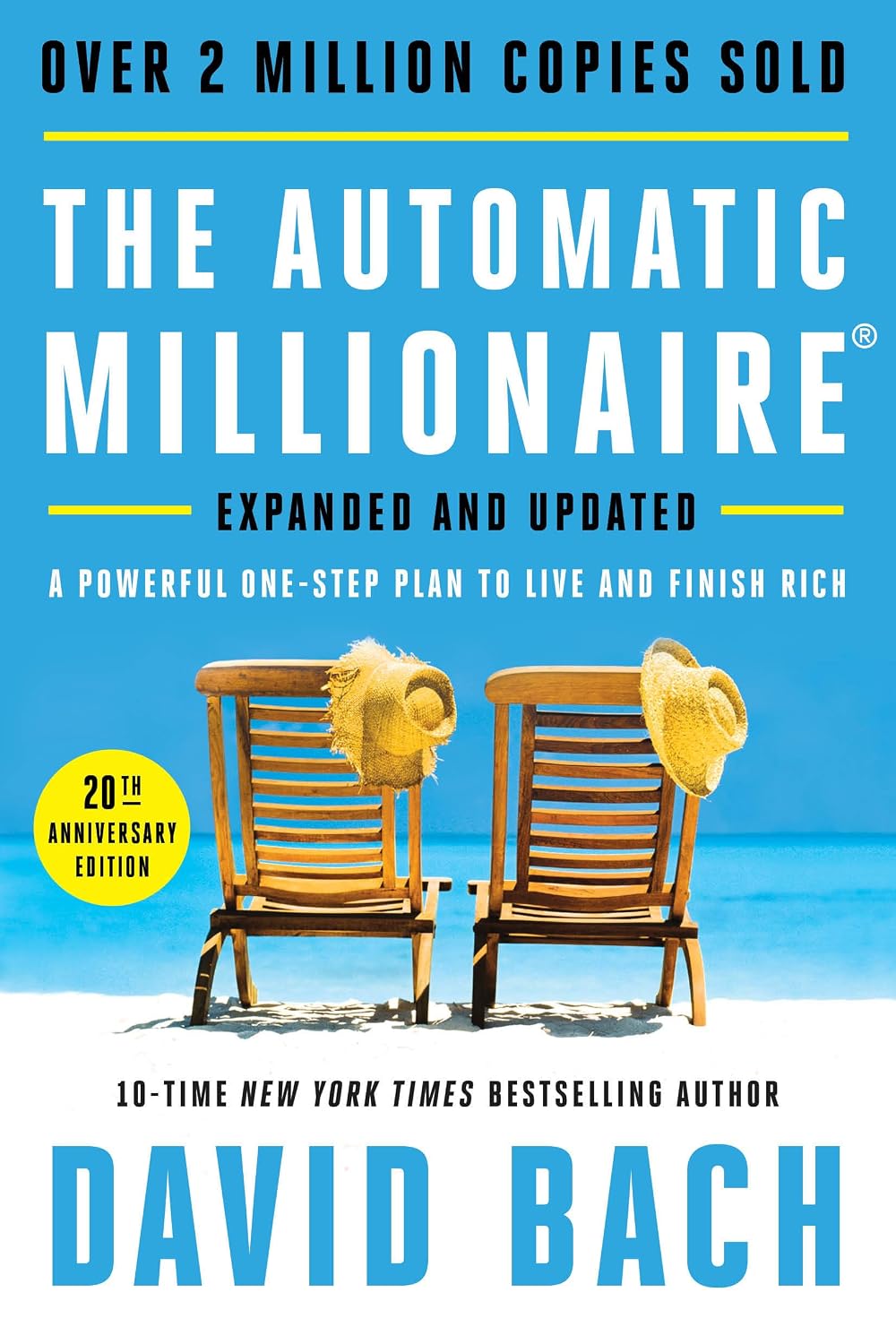
2. The Automatic Millionaire by David Bach
Most people do not fail financially because they are lazy.
They fail because their money system depends too much on perfect discipline.
That is what makes The Automatic Millionaire such a powerful book for everyday readers. It does not assume you will wake up every morning with flawless willpower. It does not pretend that budgeting, saving, investing, and planning are always easy. Instead, it focuses on a simple but powerful idea: make the right money moves automatic.
This is important because life gets busy. Bills come due. Emergencies happen. Motivation fades. And when a financial plan depends entirely on remembering, resisting, tracking, and forcing yourself to do the right thing every single time, most people eventually slip.
Automation changes that.
The beauty of this book is that it shows how small financial decisions, repeated quietly in the background, can create meaningful results over time. It helps readers understand that wealth does not always arrive through dramatic moves. Sometimes it comes from small systems that continue working even when life gets noisy.
That is why this book belongs near the top of the list. It speaks to people who want to improve their financial future but know they need a system that does not require them to be perfect every day.
I recommend this book because it shows how small automatic money moves can quietly build a rich life without needing perfect discipline.
If you want a money book that feels practical, encouraging, and built for real life, this is one of the strongest books to browse on the list.
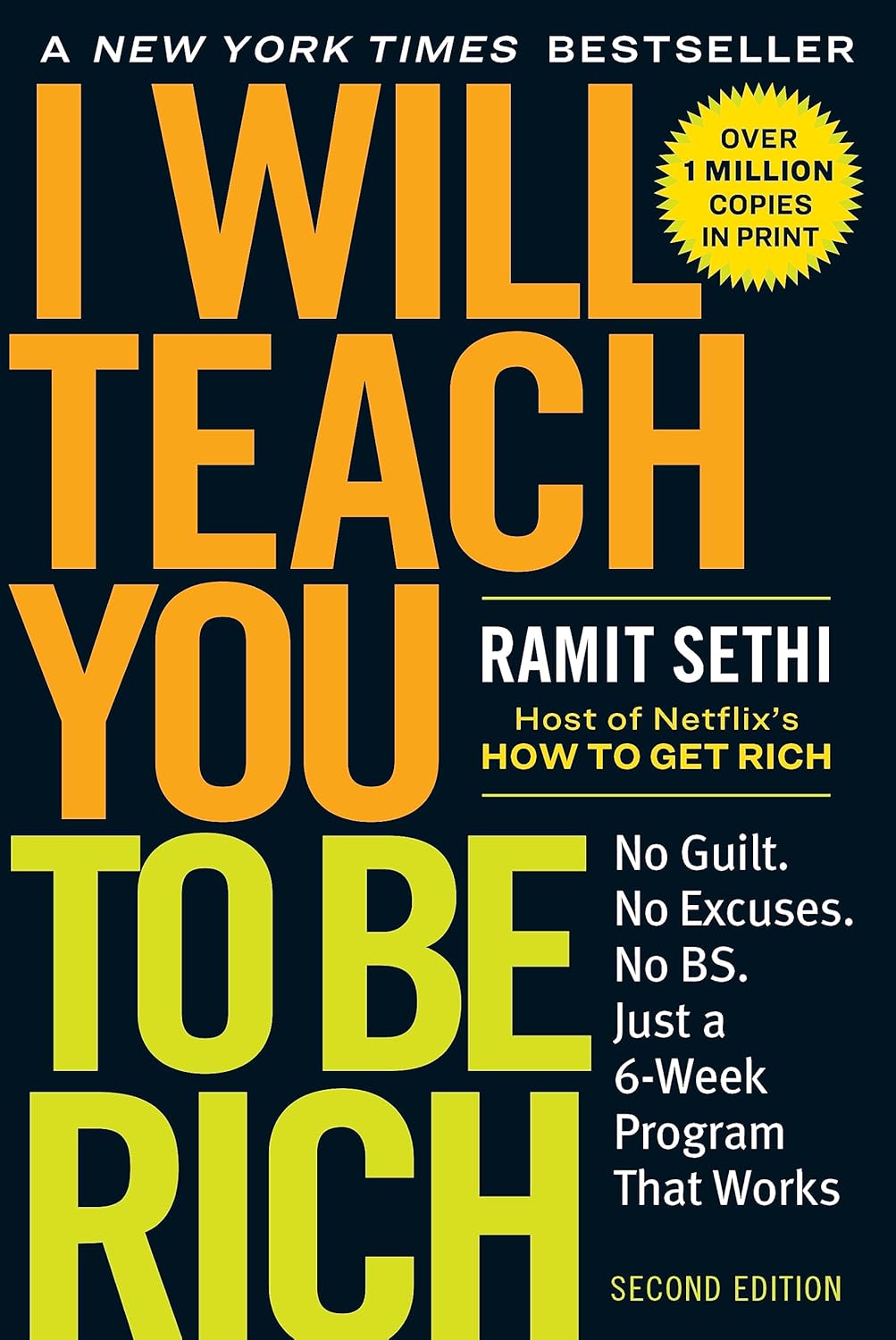
3. I Will Teach You to Be Rich by Ramit Sethi
Money can carry a lot of emotional weight.
For many people, it comes with guilt, shame, confusion, avoidance, and stress. They know they should be doing more with their money, but every time they try to learn, the advice either feels too boring, too technical, or too judgmental.
That is why I Will Teach You to Be Rich connects with so many modern readers.
Ramit Sethi brings a different energy to personal finance. The book is practical, direct, and focused on helping people build a money life that actually works. It does not treat money as something you should fear. It treats money as a tool that can be organized, directed, and used intentionally.
One of the reasons this book belongs on the list is that it speaks to people who want a better financial life but do not want to feel punished while learning. It covers the basics, but it does so in a way that feels modern and usable. Saving, spending, investing, credit, and money habits become part of a larger picture: building a rich life on purpose.
That phrase matters because wealth is not just about having more money. It is about deciding what kind of life you want your money to support.
This book helps readers move beyond vague financial guilt and into clear action. It is especially useful for people who want structure, confidence, and a more realistic way to think about their money.
I recommend this book because it makes money feel practical, modern, and doable without guilt, shame, or complicated financial talk.
If you want a personal finance book that feels direct, useful, and built for today’s reader, this is one of the best books to check out.
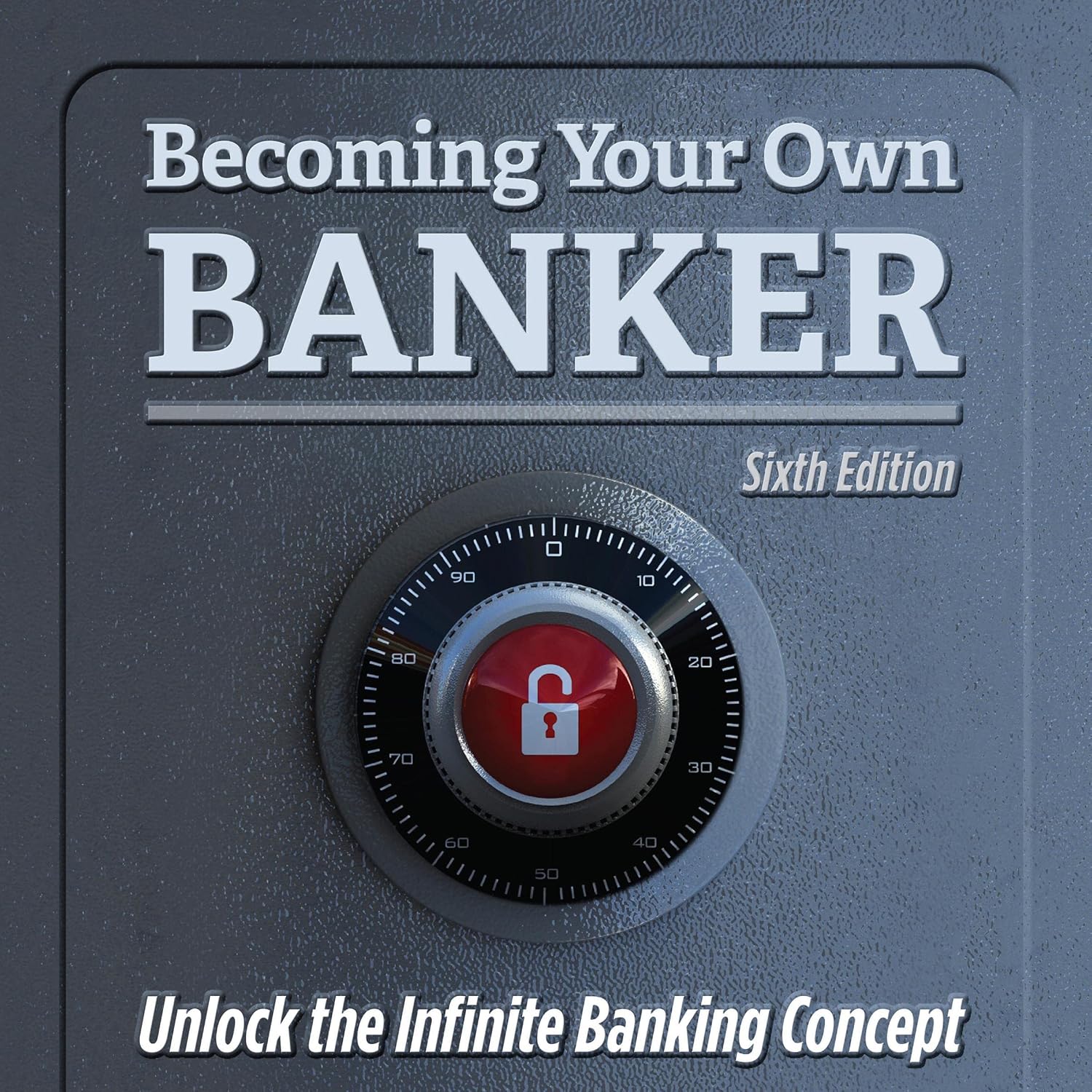
4. Becoming Your Own Banker by R. Nelson Nash
Most people are taught to think of banks as something outside themselves.
You deposit money. You borrow money. You pay interest. You follow the rules of a system that already existed long before you entered it.
But Becoming Your Own Banker asks a different question:
What if you started thinking more seriously about who controls the flow of your money?
That is what makes this book such an interesting addition to this list. It does not simply tell readers to save more or spend less. It challenges the way people think about banking, borrowing, cash flow, control, and long-term financial strategy.
The concept inside this book may feel unfamiliar to many readers at first, especially if they have only been exposed to traditional personal finance advice. But that is also what makes it valuable. Sometimes a book does not have to give you every final answer. Sometimes it opens a door you did not even know was there.
This book belongs on the list because building wealth is not only about how much money you make. It is also about how money moves through your life. Who controls it? Where does it sit? How is it used? How much of your financial life is being shaped by systems you never stopped to question?
Those are the kinds of questions this book brings to the surface.
I recommend this book because it challenges the way most people think about banks, savings, and who should really control their money.
If you are interested in financial ideas that go beyond the usual advice, this is one of the more thought-provoking books to explore.
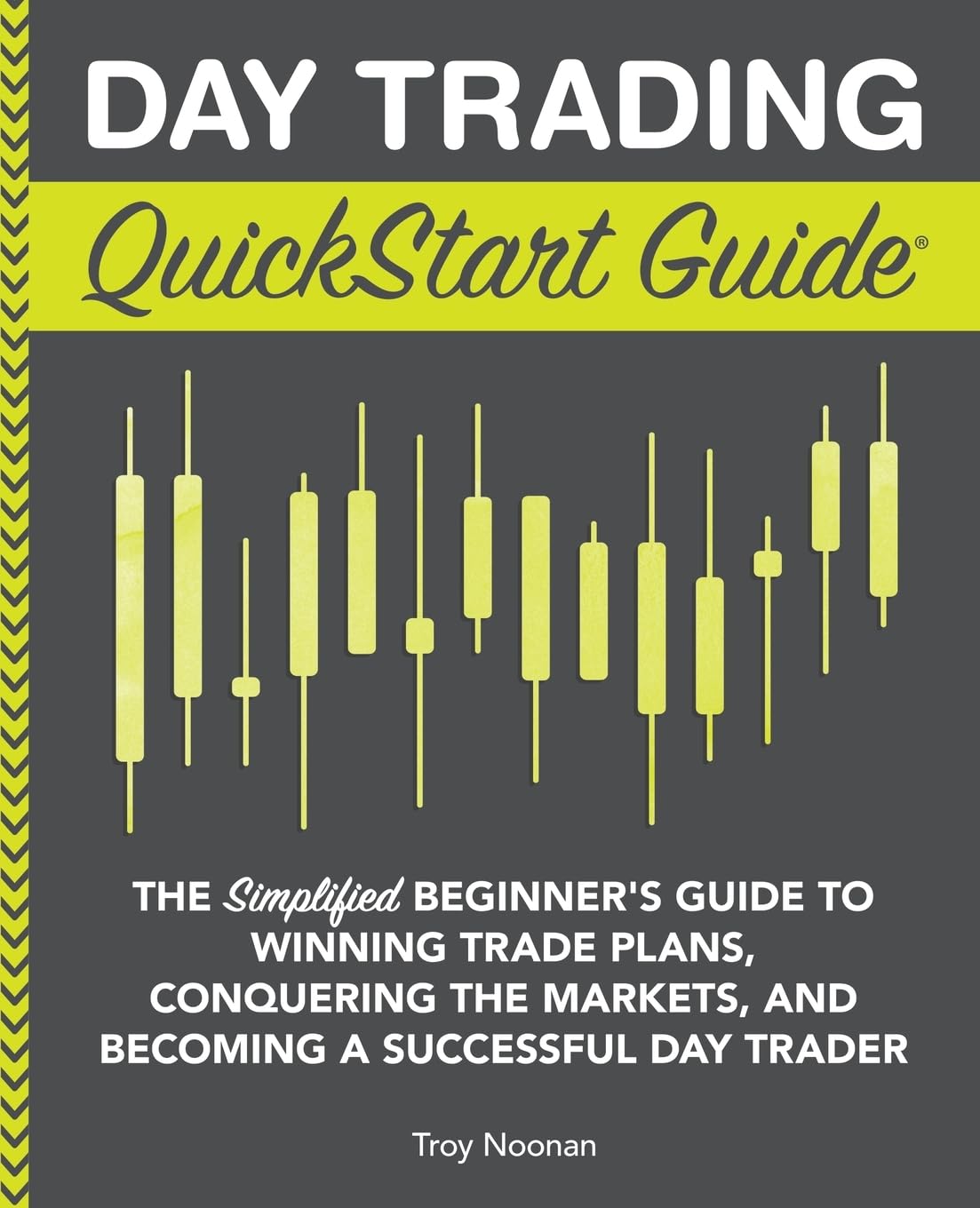
5. Day Trading QuickStart Guide by Troy Noonan
Day trading attracts a lot of attention because it looks fast, exciting, and full of possibility.
But that is also what makes it dangerous for beginners.
Many people enter the market thinking mostly about profit. They imagine quick wins, flexible income, and the thrill of catching the right move at the right time. But trading without a plan can turn excitement into confusion very quickly.
That is why Day Trading QuickStart Guide earns its place on this list.
This book is useful because it helps beginners slow down and look at the market with more structure. Before someone starts risking real money, they need to understand the importance of trade plans, risk management, discipline, emotional control, and market behavior.
That does not mean trading becomes easy.
It means the reader begins to see that successful trading is not just about finding a hot stock or making a bold prediction. It is about preparation. It is about rules. It is about knowing when not to trade. It is about protecting yourself from the kind of emotional decisions that can wreck an account before a beginner even understands what happened.
This is why I like this book for readers who are curious about the markets. It does not feed the fantasy that day trading is simple money. Instead, it points toward the mindset and structure a beginner should consider before jumping in blindly.
I recommend this book because it builds confidence by giving beginners a clearer look at trading plans, risk, and market discipline before jumping in blindly.
If trading has been on your mind, this is a smart book to look at before treating the market like a guessing game.
6. Rich Dad’s CASHFLOW Quadrant by Robert T. Kiyosaki
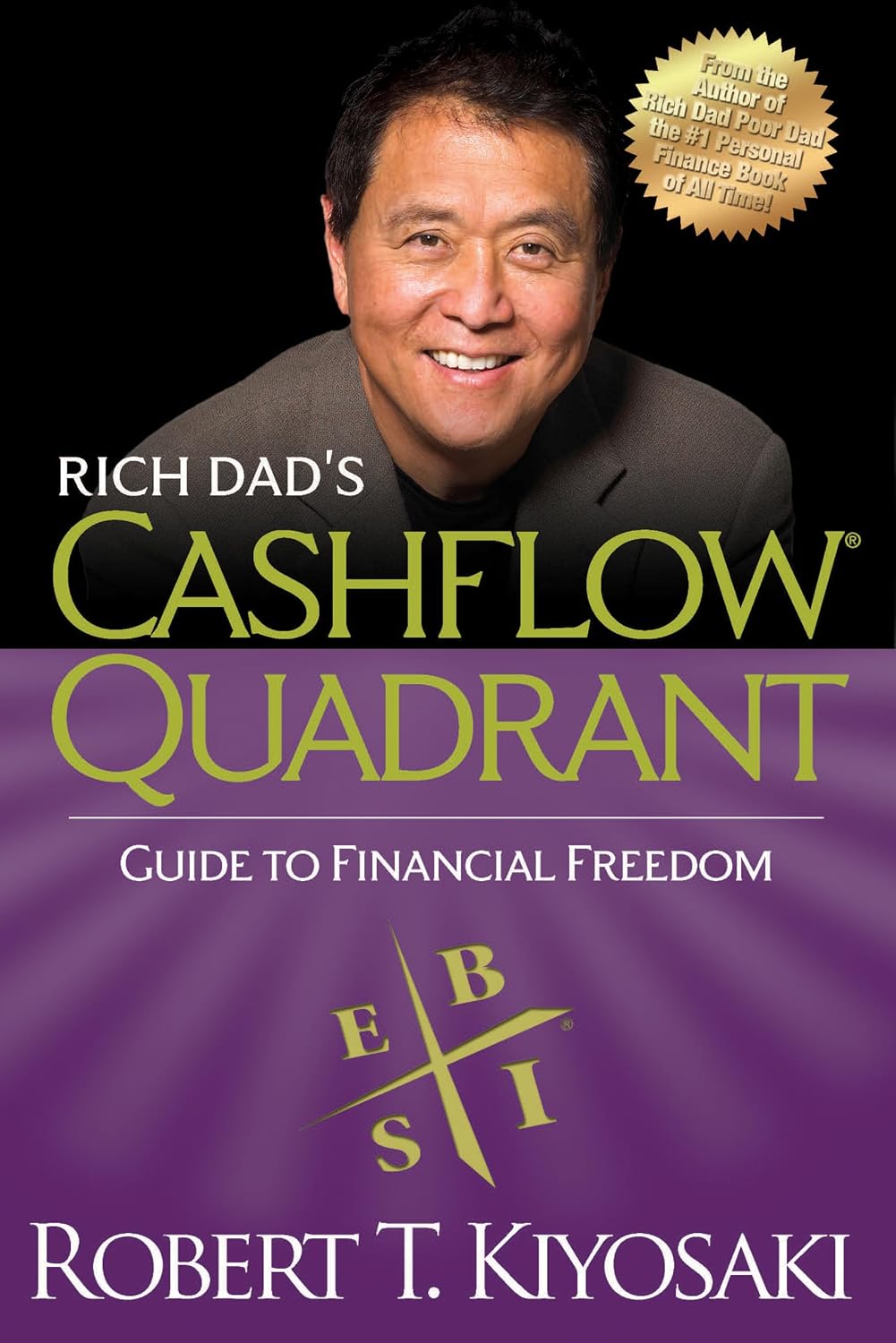
Some books are not just about money.
They are about identity.
Rich Dad’s CASHFLOW Quadrant is one of those books because it pushes readers to think about where their income really comes from and what that means for their future.
Most people understand income only through the lens of a job. You work. You get paid. You pay bills. Then you repeat the cycle. For many people, that pattern becomes so normal that they never stop to ask whether there are other ways to think about earning, ownership, business, and investing.
This book introduces a simple but powerful framework: employee, self-employed, business owner, and investor.
That framework matters because each quadrant represents a different way of thinking. An employee may focus on security. A self-employed person may focus on control. A business owner may focus on systems. An investor may focus on assets.
Once a reader sees those differences, it can be hard to unsee them.
That is why this book belongs in a wealth-building list. It helps feed the subconscious with a bigger picture. It encourages readers to think beyond the paycheck and start asking what kind of financial path they are actually building.
This does not mean everyone must become a business owner or investor overnight. But it does mean the reader may begin to understand why some people stay trapped working for money while others build systems and assets that can work for them.
I recommend this book because it explains why some people work for money while others learn how to make money work for them.
If you want a book that challenges your income mindset and makes you think differently about financial freedom, this is one of the strongest mindset books on the list.
7. Sam Walton: Made in America by John Huey
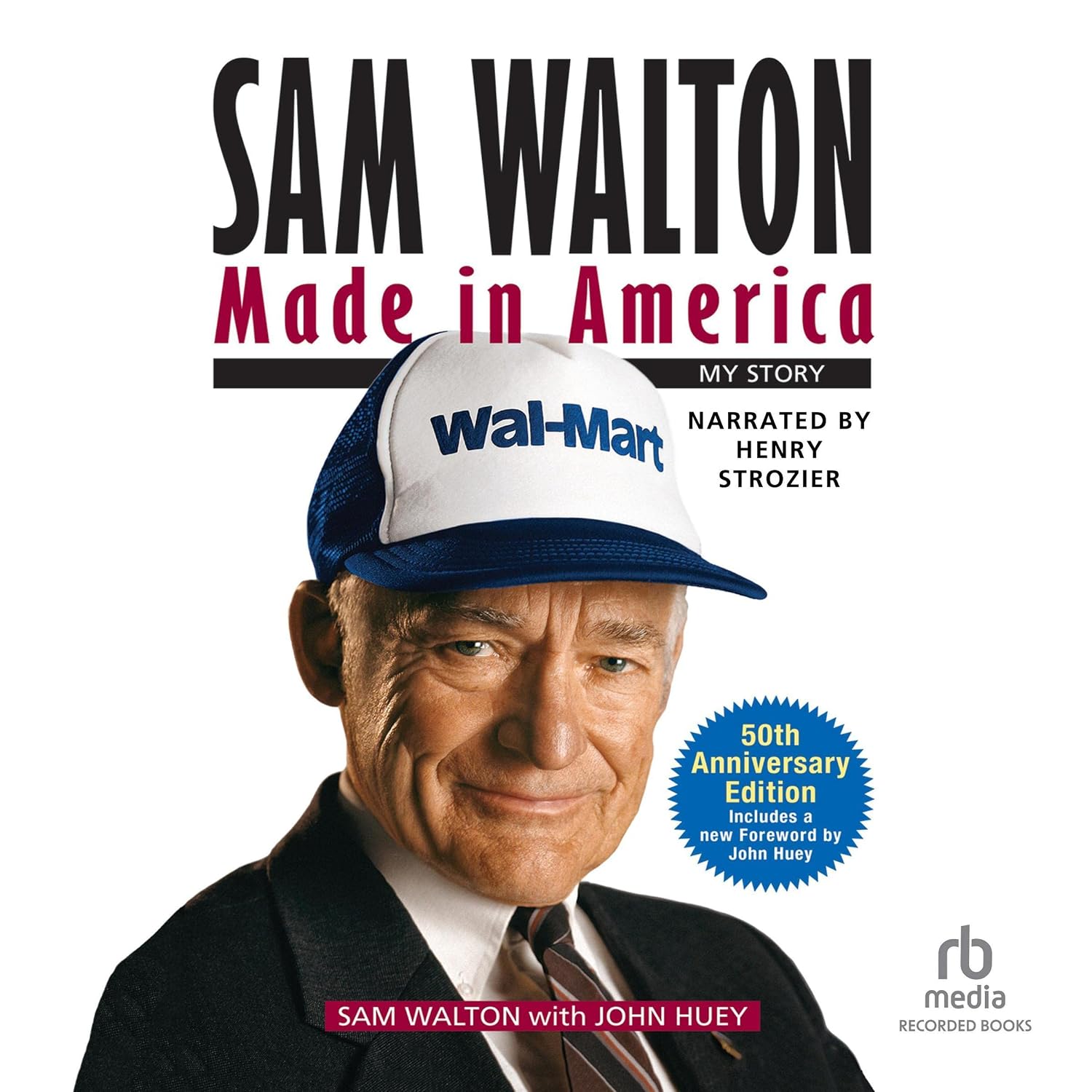
Some people study money by looking at charts.
Others study money by studying builders.
That is why Sam Walton: Made in America belongs on this list. This is not just a business biography. It is a look inside the mindset of a man who helped build one of the largest retail empires in American history.
Sam Walton’s story is powerful because it shows that wealth is often created long before the public sees the results. It is created in habits, decisions, customer obsession, pricing strategy, persistence, and the willingness to keep improving when other people think the idea is too small or too ordinary.
That is one of the reasons this book is so useful for entrepreneurs, creators, sellers, affiliate marketers, and anyone trying to understand business. Sam Walton did not build Walmart by accident. He studied customers. He watched competitors. He paid attention to details most people ignored. He understood that small advantages, repeated over time, could become enormous advantages.
This book also reminds readers that business success is not always glamorous in the beginning. Sometimes it looks like long hours, small stores, tight margins, constant testing, and a deep commitment to serving people better than the next person.
That is why this book works so well in a wealth-building list. It teaches more than business history. It teaches a way of seeing opportunity.
I recommend this book because it shows how one man built a retail empire by thinking differently about customers, prices, and persistence.
If you are building anything — a store, a brand, a side hustle, a content business, or a bigger vision for your life — this is one of the most valuable books to own on the list.
8. The ChatGPT Millionaire by Neil Dagger
Every generation has a moment when new tools change what is possible.
For this generation, artificial intelligence may be one of those tools.
That is why The ChatGPT Millionaire stands out on this list. Whether someone is a creator, writer, marketer, freelancer, small business owner, affiliate marketer, or simply curious about making money online, AI has become difficult to ignore.
This book speaks to that curiosity.
It taps into one of the biggest questions people are asking right now: how can everyday people use AI to create income ideas, content, products, services, and opportunities faster than before?
That question matters because many people do not lack ambition. They lack speed, structure, and a starting point. They may have ideas but do not know how to turn them into something useful. They may want to build online income but feel overwhelmed by all the options. They may hear about AI constantly but still wonder what it actually means for them.
A book like this belongs in the list because wealth-building is no longer only about saving and investing. It is also about learning how to recognize new tools before they become normal. AI may not replace effort, judgment, or persistence, but it can help people think faster, create faster, test faster, and organize ideas faster.
That is where the opportunity begins.
I recommend this book because it answers questions about how AI could help everyday people create income ideas faster than ever before.
If you are curious about AI, online income, digital tools, and the future of making money, this is one of the most timely books to browse on the list.
9. How to Invest $50-$5,000 by Nancy Dunnan
One of the biggest myths about investing is that you need a lot of money before you can begin.
That belief keeps too many people stuck.
They wait until they have more income. They wait until their finances are perfect. They wait until they feel smarter, safer, or more prepared. But the longer they wait, the easier it becomes to treat investing like something that belongs in the future instead of something they can start learning now.
That is why How to Invest $50-$5,000 earns its place on this list.
This book is valuable because it speaks directly to the small investor. It reminds readers that investing does not have to begin with a massive account, a luxury lifestyle, or a perfect financial situation. Sometimes the most important first step is not the amount of money. It is the decision to start thinking like an investor.
That mindset shift is powerful.
When someone starts with a small amount, they can begin learning the language of investing, the habits of investing, and the patience required to make better decisions over time. Starting small can build confidence. It can reduce fear. It can help readers move from watching other people build wealth to taking their own first steps.
This book belongs on the list because it makes investing feel reachable. It speaks to the person who may not have thousands of dollars sitting around but still wants to learn, grow, and begin.
I recommend this book because it proves you do not need a fortune to begin thinking like an investor.
If you have ever told yourself you would start investing “later,” this is one of the books on the list that may help you rethink what starting really means.
10. LLC Beginner’s Step-by-Step Guide by Finance Knights Publications
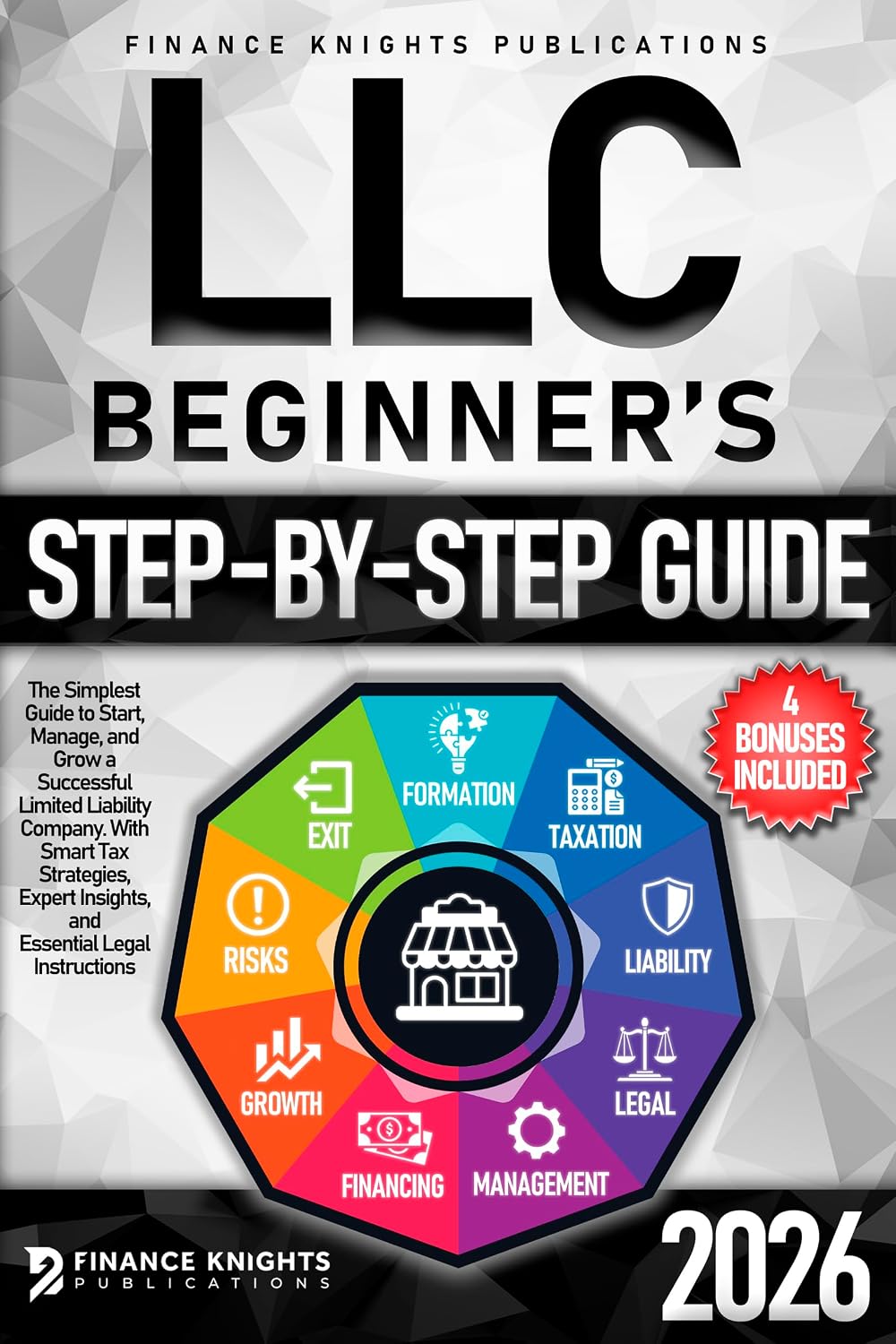
At some point, a business idea needs more than excitement.
It needs structure.
That is why LLC Beginner’s Step-by-Step Guide belongs on this list. Many people dream about building something of their own. They think about starting a side hustle, launching a brand, selling products, creating content, offering services, or turning a skill into income.
But the moment things get serious, new questions appear.
How should the business be organized? What does it mean to form an LLC? What should a beginner understand about taxes, liability, records, ownership, and long-term growth? How do you move from “I have an idea” to “I am building something real”?
Those questions matter because wealth is not only built through investing. Sometimes it is built through ownership. And ownership usually requires a different level of thinking.
This book is useful because it helps readers begin to see business structure as part of the wealth-building process. It encourages the reader to think beyond the hustle and into protection, organization, responsibility, and growth.
That shift is important.
A lot of people stay stuck in the idea stage because the business side feels intimidating. They may have the creativity, drive, and product idea, but they do not know how to give the idea a serious foundation. A beginner-friendly LLC guide can help make that next step feel less mysterious.
This book belongs on the list because it connects money, opportunity, and business ownership. It speaks to the reader who is no longer satisfied with only consuming information and wants to begin building something with structure behind it.
I recommend this book because it can change the way you see opportunity and help turn a business idea into something more serious, protected, and ready to grow.
If you are thinking about starting a business, forming a side hustle, or making your income ideas more official, this is one of the most practical books to browse on the list.
11. The Complete TurtleTrader by Michael W. Covel
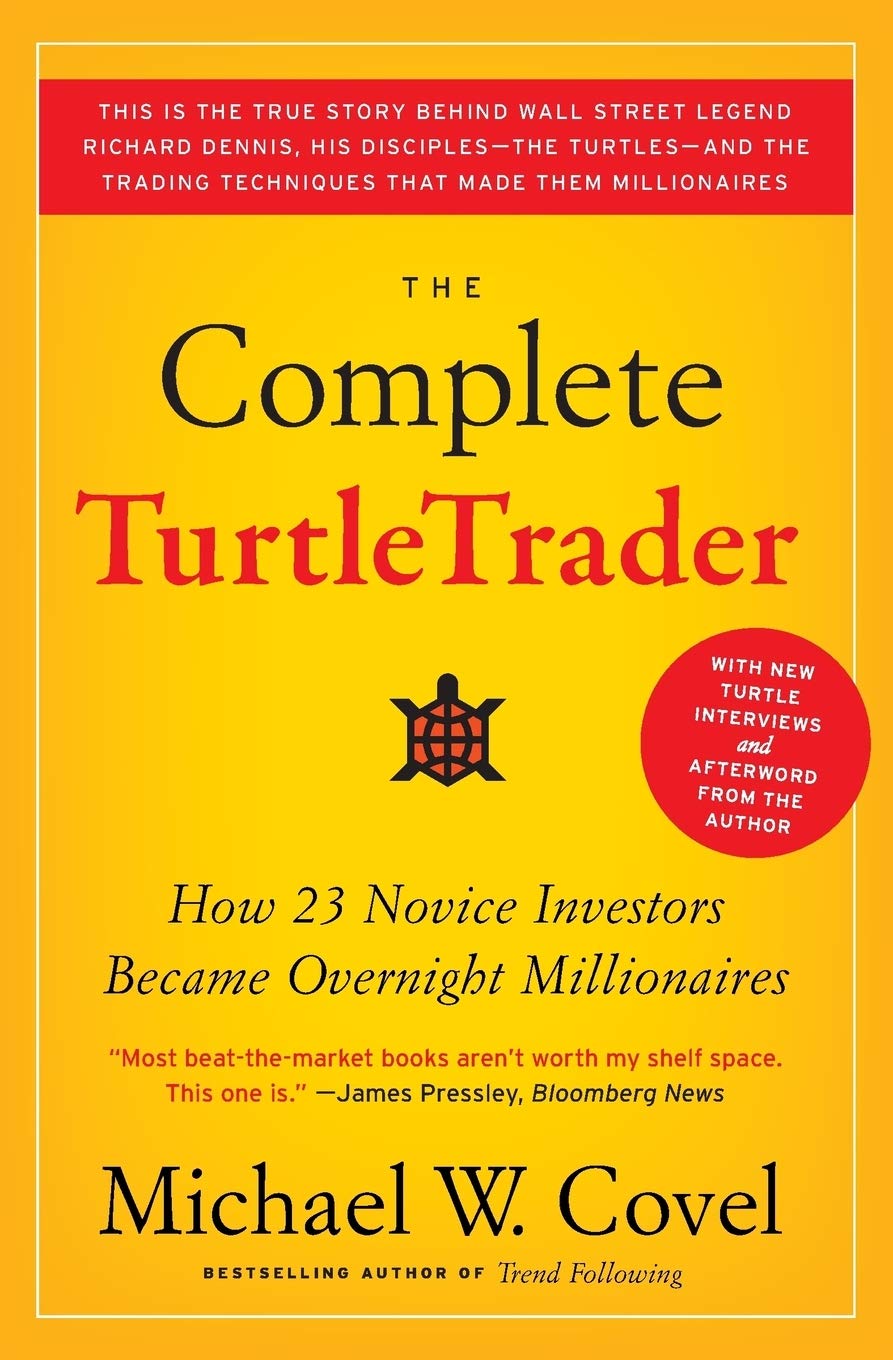
Some success stories sound impossible until you understand the system behind them.
That is what makes The Complete TurtleTrader such a fascinating final book on this list. It tells the story of ordinary people who were trained to trade using a specific set of rules, discipline, and market principles.
At first glance, that kind of story grabs attention because of the results.
But the deeper value is not just in the money.
The deeper value is in the lesson that markets are not only about prediction. They are about psychology, process, patience, discipline, and the ability to follow a system when emotions want to take over.
That is why this book fits so well at the end of the list. After reading about investing, automation, personal finance, banking, business, AI, and ownership, The Complete TurtleTrader brings the conversation back to one of the most important wealth-building ideas of all: a system matters.
Many people want results, but fewer people want rules. Many people want opportunity, but fewer people want discipline. Many people want financial freedom, but fewer people are willing to study the behavior, structure, and mindset required to make better decisions under pressure.
This book helps reveal that ordinary people can sometimes produce extraordinary outcomes when they are given a framework and taught to follow it.
That idea is powerful far beyond trading.
It applies to business. It applies to investing. It applies to personal finance. It applies to almost any area where the average person is trying to stop guessing and start operating with more clarity.
I recommend this book because it reveals how ordinary investors learned a system that changed the way they looked at markets forever.
If you like stories about discipline, markets, rules, risk, and ordinary people learning to think differently, this is a powerful book to complete the list.
Why These 11 Books Belong Together
These 11 books are not all teaching the same thing, and that is exactly why the list works.
Some teach simple investing.
Some teach automation.
Some teach personal finance.
Some teach banking and control.
Some teach trading discipline.
Some teach income mindset.
Some teach business building.
Some teach AI opportunity.
Some teach ownership and structure.
Together, they help answer a bigger question:
What would your financial life look like if you stopped trying to build wealth the hard way and started learning from people who have already studied the path?
That is the real value of a good money book. It does not just tell you what to do. It can help you see what you have been missing.
And once you see something differently, you can begin to move differently.
You do not have to read every book at once. Start with the one that speaks to your current season.
If you want simple investing, start with The Simple Path to Wealth.
If you need better habits, start with The Automatic Millionaire.
If you want practical personal finance, start with I Will Teach You to Be Rich.
If you are curious about control, banking, and cash flow, look at Becoming Your Own Banker.
If you are interested in trading, start by studying risk and discipline before chasing profit.
If you are building a business, look at the LLC guide and Sam Walton’s story.
If you are curious about AI and online income, explore how new tools may create new opportunities.
And if you want to understand the power of systems, The Complete TurtleTrader is a strong book to finish with.
The point is not to become an expert overnight.
The point is to stop guessing.
The point is to start learning from books that can sharpen your thinking, challenge your assumptions, and help you build a better financial future with more intention.
Final Thought
Building wealth the hard way usually means trying to figure everything out alone.
Building wealth the smarter way often begins by learning from people who have already asked better questions.
That is why I created this short list.
I wanted one place where readers could browse books about investing, financial freedom, business, AI, trading, ownership, and money mindset without feeling lost in a sea of random recommendations.
Because sometimes the right book does not just give you information.
It gives you a new way to see your future.
Affiliate Disclosure
As an Amazon Associate, Single Source Books may earn from qualifying purchases. This article is for educational and informational purposes only and should not be taken as financial, legal, tax, or investment advice. Always do your own research and consider speaking with a qualified professional before making financial decisions.