

I’ve got the ultimate eco-friendly hacks that will completely revolutionize your daily routine and leave room for your morning coffee!
Introduction

In our rapidly changing world, efficiency reigns supreme, the growing imperative for sustainable living can feel like an inconvenient detour on the road to productivity. However, what if the road to optimal performance was paved not only with high-tech tools but also with eco-friendly habits?
This guide aims to show that achieving peak productivity and living sustainably aren’t mutually exclusive. In fact, they can complement each other beautifully, making you not only a more efficient worker but also a more conscientious global citizen.
1. Optimize Your Workspace for Energy Efficiency

Let’s start with your workspace, that hallowed ground of creativity and output. Natural light is your best friend here. Not only does it reduce the need for artificial lighting, but it also boosts mood and productivity. Position your desk near a window, and let the sunshine in.
For those late-night work sessions, consider investing in energy-efficient LED bulbs. They consume less power and last longer than traditional bulbs, meaning fewer trips to the store and less waste. And while you’re at it, why not look into energy-efficient computers and monitors? The initial investment may be higher, but the long-term savings in both energy costs and environmental impact are substantial.
2. Adopt a Paperless Workflow

Ah, paper. The bane of many a modern office. While it has its nostalgic charm, paper is increasingly redundant in a digital age. Tools like Evernote, Google Drive, and Microsoft OneNote can transform your note-taking and document management processes into seamless digital workflows.
By reducing your paper usage, you’re not only saving trees but also decluttering your workspace. Less paper means less mess, and less mess means a clearer mind. The transition might seem daunting at first, but once you’re used to the convenience of digital documents—searchable, easily editable, and shareable—you’ll wonder why you ever bothered with paper in the first place.
3. Choose Eco-Friendly Office Supplies

When you do need physical supplies, opt for sustainable alternatives. Recycled paper, biodegradable pens, and refillable ink cartridges are just a few options. Brands like EcoPen and Onyx and Green offer a range of eco-friendly office products that don’t sacrifice quality for sustainability.
Switching to these products might seem like a small change, but every little bit helps. Imagine if every office in your building did the same—the cumulative effect on reducing waste and conserving resources would be significant.
4. Implement Time Management Techniques that Save Energy

Effective time management can also lead to energy savings. Techniques like time blocking and task batching not only make you more efficient but also reduce the energy your computer consumes by minimizing the time it’s on and active.
Moreover, incorporating regular breaks into your schedule can reduce your overall energy consumption. During these breaks, turn off or unplug devices. It’s a small habit that can make a big difference over time, both in your electricity bill and in your mental clarity.
5. Commute Smarter and Greener
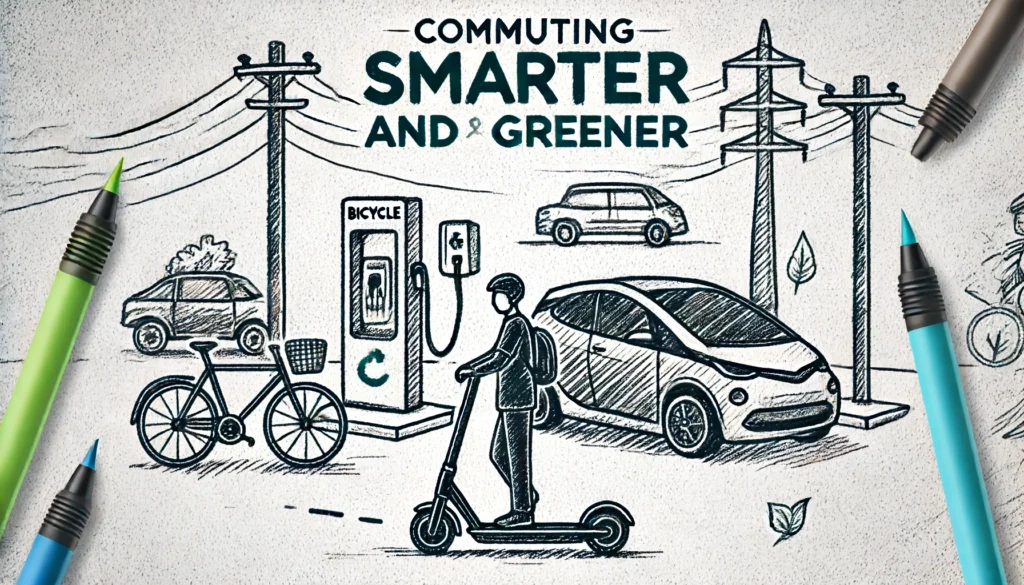
The daily commute—a necessary evil for many. But it doesn’t have to be an environmental nightmare. Remote work, once a rare perk, has become a standard option for many professions. If you have the flexibility to work from home, take it. It reduces your carbon footprint and often increases productivity by cutting out travel time.
For those who need to commute, consider eco-friendly options like biking, public transport, or carpooling. Not only will these choices reduce your carbon emissions, but they might also save you money and stress. Plus, a morning bike ride can double as your daily workout—talk about multitasking!
6. Embrace Minimalism for a Clutter-Free Workspace

Minimalism isn’t just a trend; it’s a lifestyle that promotes clarity and focus. By decluttering your workspace, you remove distractions and create a more conducive environment for productivity. Start by keeping only the essentials on your desk. Store items you don’t use daily in drawers or cabinets.
Minimalism extends beyond physical clutter. Digital minimalism—keeping your computer desktop and email inbox organized—can also improve your workflow. Fewer distractions mean more focus, which leads to higher efficiency and a sense of calm.
7. Sustainable Meal Planning and Snacking
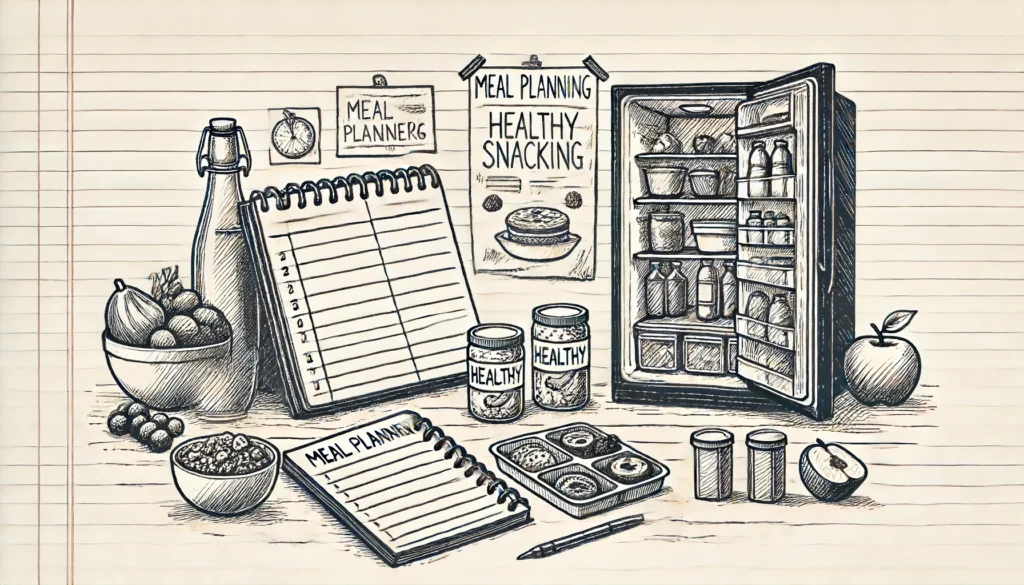
We often overlook the impact of our diet on both our productivity and the environment. Sustainable meal planning can ensure you have nutritious, eco-friendly meals that keep you energized throughout the day. Opt for locally sourced, organic foods, and prepare your meals in advance to reduce waste.
Pack your lunch in reusable containers, and bring along healthy snacks like nuts, fruits, or homemade energy bars. These choices not only benefit your health but also reduce the reliance on processed foods and single-use plastics. Remember, a well-fueled body leads to a well-fueled mind.
8. Invest in Durable, Long-Lasting Products

Quality over quantity—an adage that holds true in the realm of office supplies and equipment. Invest in durable, well-made products that last longer and perform better. While they may come with a higher upfront cost, the long-term savings and reduced environmental impact make them worthwhile.
Consider ergonomic chairs, sturdy desks, and high-quality tech gadgets. These items not only enhance your productivity but also reduce the frequency of replacements, thereby cutting down on waste. Brands known for their durability, like Herman Miller for office furniture or Apple for technology, are worth the investment.
9. Recycle and Upcycle Office Items
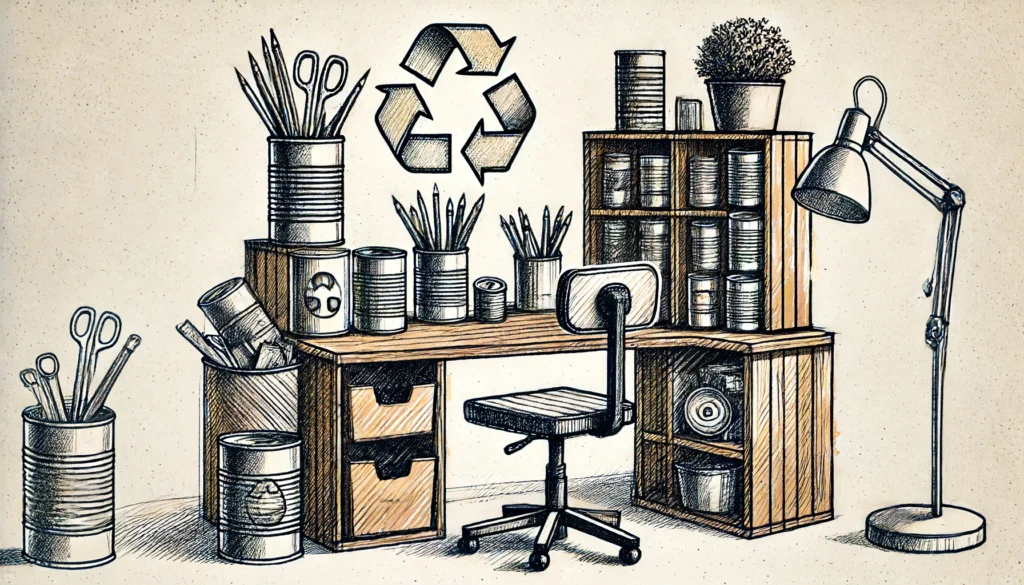
Recycling is a no-brainer, but upcycling takes sustainability a step further. Instead of discarding old office items, find creative ways to give them a new life. An old desk organizer can become a planter, or outdated files can be transformed into DIY craft projects.
Recycling and upcycling not only reduce waste but also foster creativity and a sense of accomplishment. Plus, they’re great conversation starters when colleagues see your innovative repurposing efforts.
10. Practice Mindfulness and Eco-Friendly Habits
Finally, integrate mindfulness into your daily routine. Practices like meditation and deep breathing can enhance your focus and reduce stress. Mindfulness also encourages a greater awareness of your habits and their impact on the environment.
Adopt simple eco-friendly habits, such as reducing water usage, unplugging devices when not in use, and choosing reusable items over disposable ones. These small actions, when practiced consistently, contribute significantly to both personal well-being and environmental sustainability.
Conclusion
Incorporating sustainable practices into your productivity regimen isn’t just about saving the planet—it’s about creating a more efficient, fulfilling, and balanced life. By optimizing your workspace, embracing digital workflows, choosing eco-friendly supplies, and adopting smarter habits, you can achieve a greener, more efficient way of working.
Start small, implement one or two tips at a time, and gradually build up your sustainable productivity practices. Share your journey with others, and encourage them to join you in making a positive impact. Remember, every step towards sustainability is a step towards a better future for ourselves and the planet.
Bonus Section: Resources and Further Reading
To help you on your journey to sustainable productivity, here are some valuable resources:
- Books:
- “The Productivity Project” by Chris Bailey
- “Digital Minimalism” by Cal Newport
- “Zero Waste Home” by Bea Johnson
- Articles:
- Websites:
- Earth911 – https://earth911.com/
- Energy Star – https://www.energystar.gov/
- The Minimalists – https://www.theminimalists.com/
- Apps:
- Evernote (for digital note-taking)
- Forest (to stay focused and plant trees)
- EcoLife (for sustainable living tips)
By leveraging these resources, you can deepen your understanding of sustainable productivity and find additional strategies to enhance both your work and your commitment to the environment. Happy working, and here’s to a greener, more productive you!